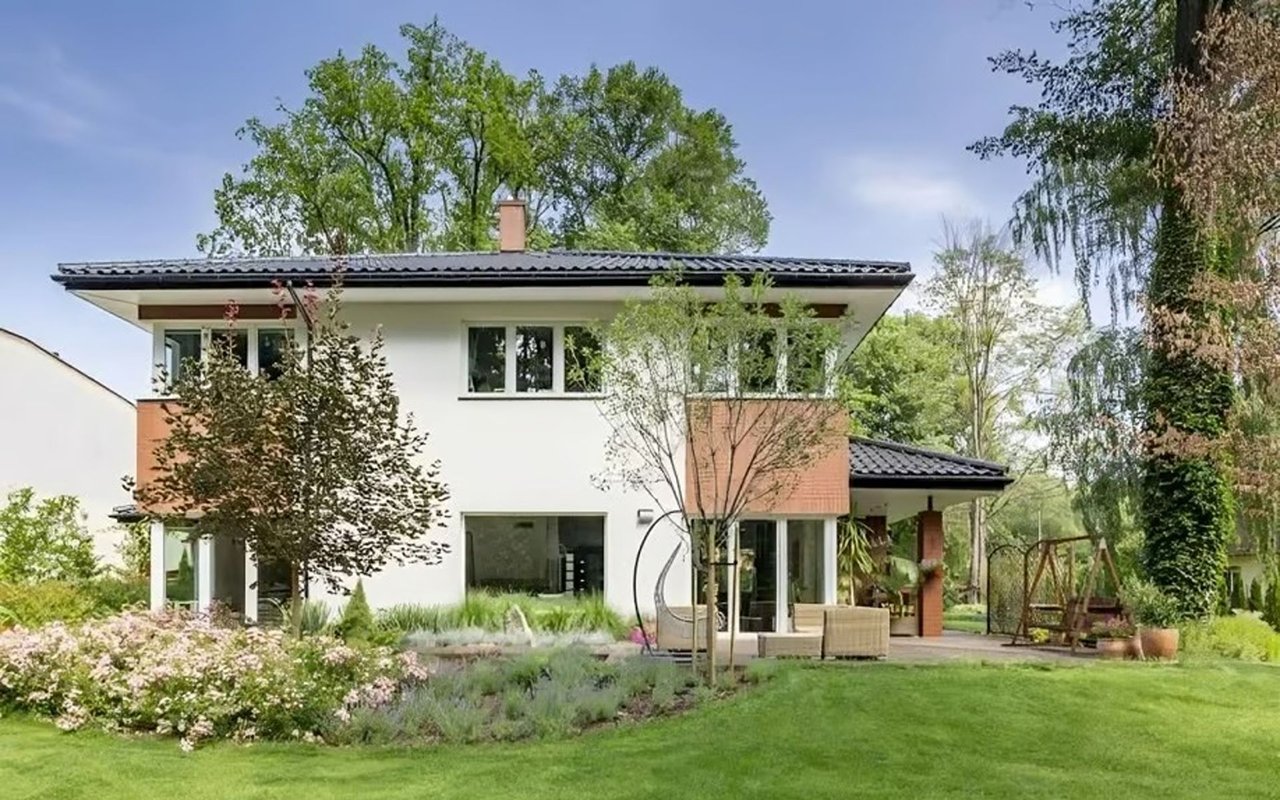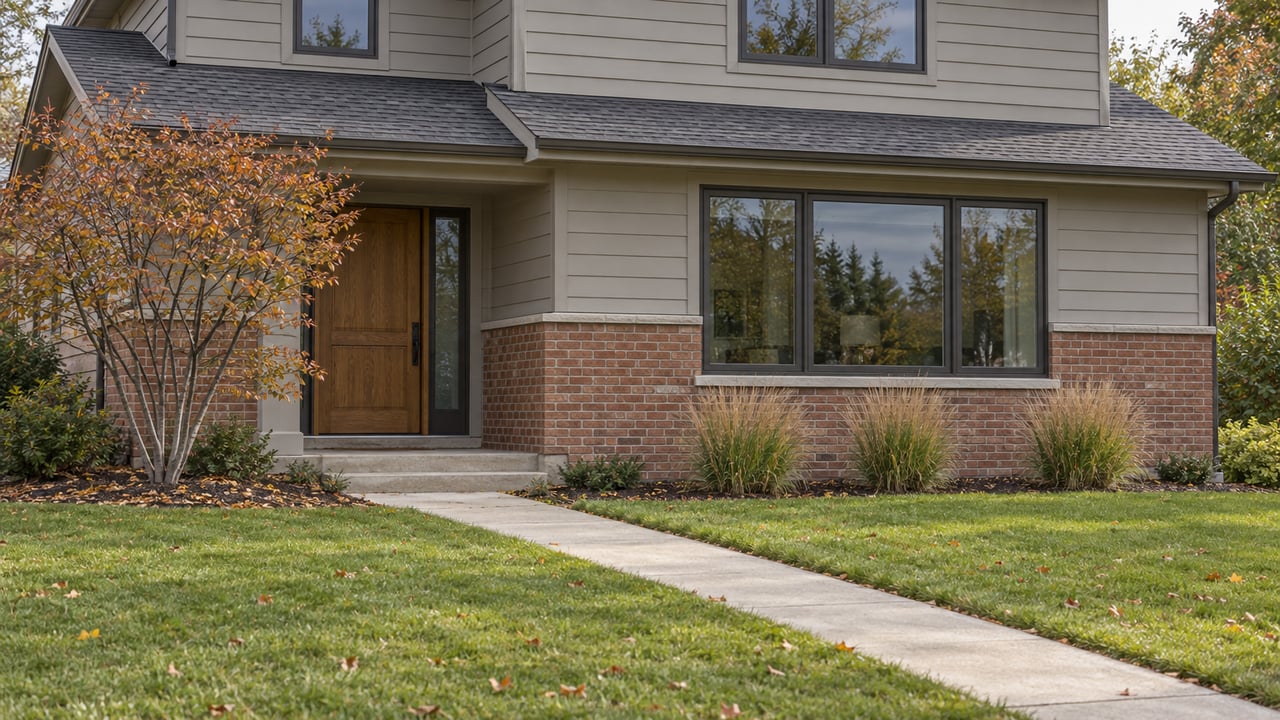
Norwalk has more new homes under construction relative to its population than any other suburb in the Des Moines metro. According to a Realtor.com-based ranking published the week of September 23, 2026, Norwalk carries roughly 7.7 active new-construction listings for every 1,000 residents. Waukee sits at 5.4. Ankeny, the metro's largest and most established new-home market by raw count, comes in at 2.5.
That gap is easy to read as a simple story about supply: Norwalk has more available lots, so buyers have more choices. The real story is about who is building those homes and what that means for the price you actually pay, whether you're shopping new construction or trying to sell an existing home a few blocks away from it.
The Number Nobody Is Comparing the Right Way
Population estimates for Norwalk vary depending on the source. The ranking that produced the 7.7-per-1,000 figure used a Census Bureau estimate of about 15,000 residents. A separate analysis built on the same 2020 Census baseline puts the 2026 figure closer to 16,600, reflecting roughly 29 percent growth since the last full count. Either way, Norwalk is a small city carrying a large construction pipeline. Ankeny, by contrast, has grown into a city of nearly 78,000 and still shows the lowest new-construction density of the three. Waukee's population runs close to 35,000.
New home listing directories put around 10 builders active across roughly 18 subdivisions in Norwalk as of this year. That is a meaningful concentration of building activity for a city this size, and it is the reason the per-capita figure runs so much higher here than in its larger neighbors.
Who Is Actually Building Right Now
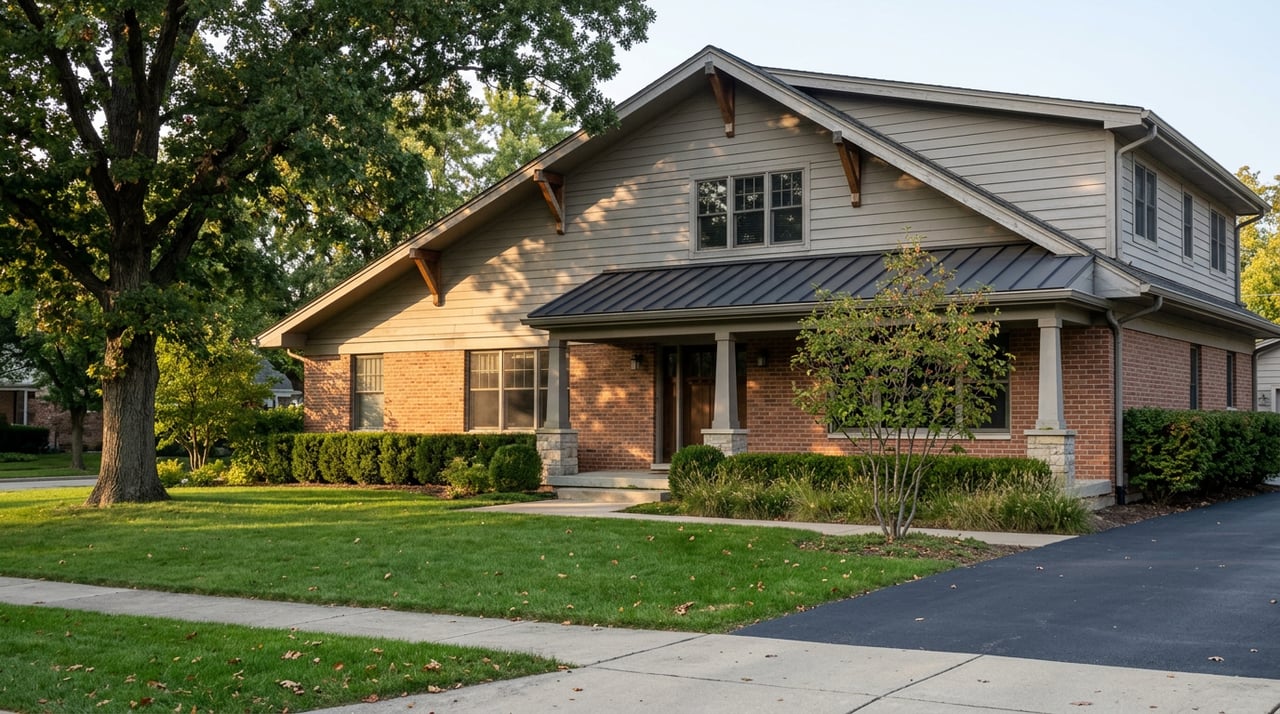
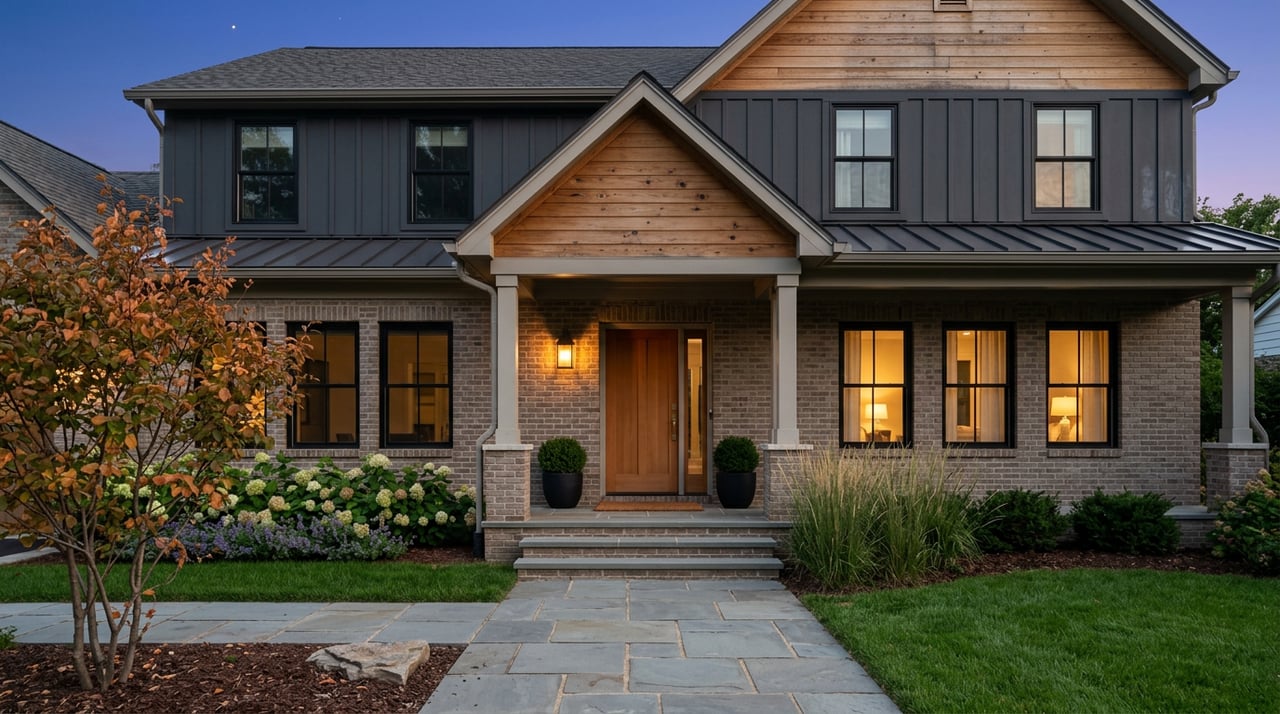
Walk the newer sections of Norwalk and the builder names repeat. D.R. Horton has active listings on Osprey Street. Hubbell Homes is building on Myron Street, where listings have ranged from $245,000 to $364,900, and at Holland Pointe, where the Lincoln floor plan starts around $313,600. Van Dam Construction LLC has a listing on 64th Lane, and Gladiator Homes and KRM Custom Homes both have lots in Blooming Heights and its newer southern phase, Blooming Heights South.
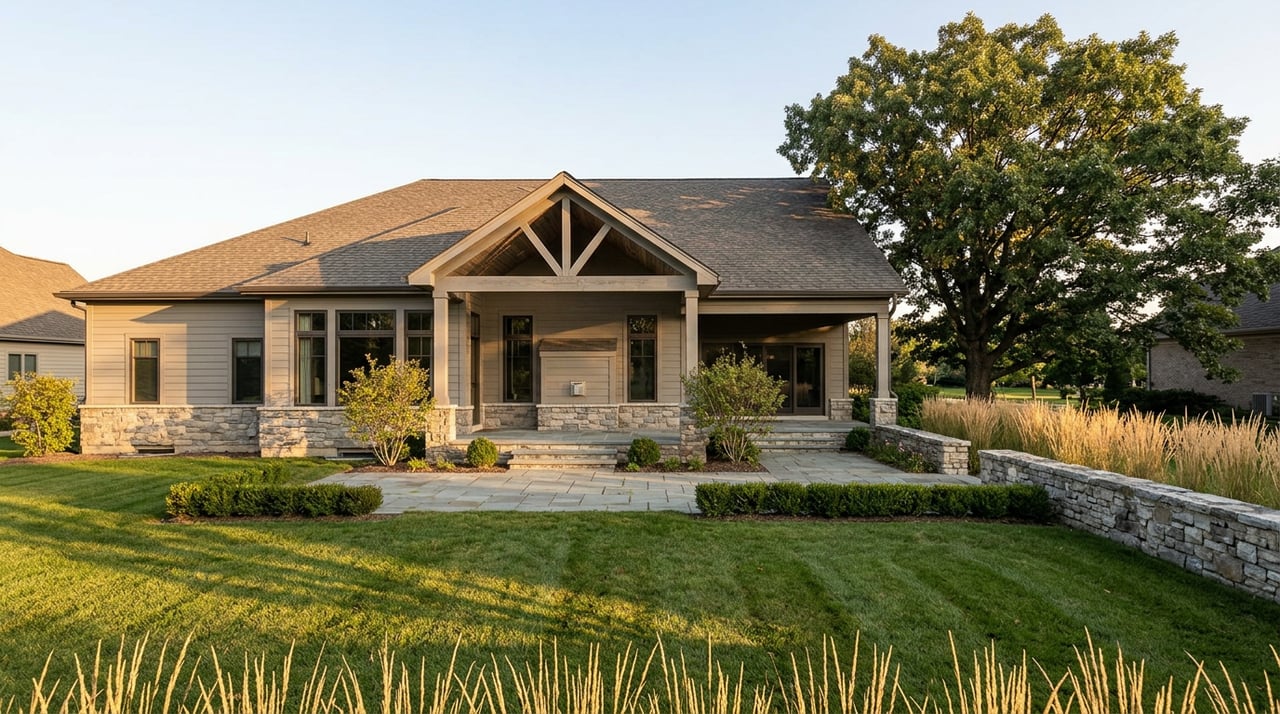
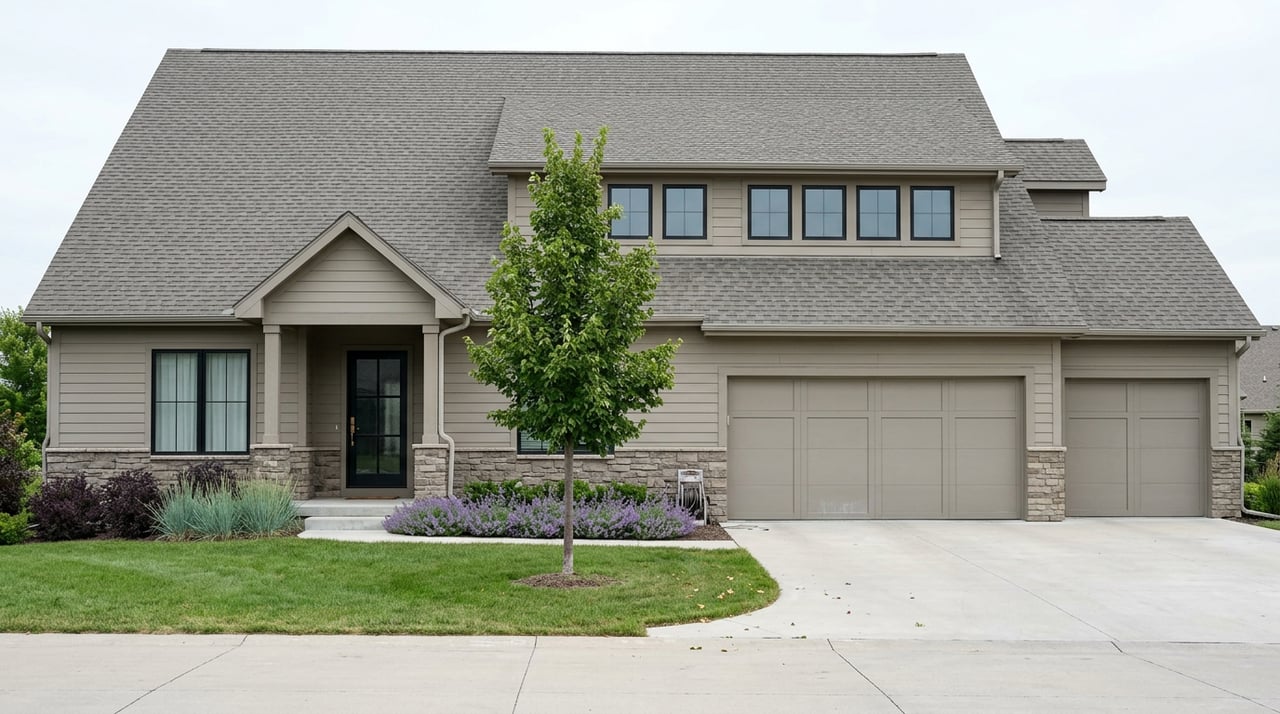
New construction pricing across these builders runs roughly $280,000 to $550,000 depending on floor plan and finish level, according to Gladiator Homes' own market breakdown for the city. That range covers everything from a compact starter plan to a larger two-story with upgraded finishes, and it sits below where comparable new construction lands in Ankeny or Waukee.
The pipeline isn't slowing down. The city has a 360-acre area called North Shore planned along the north side of Lake Colchester, intended eventually for a mix of residential development and a hotel with dining, and a 70-plus-acre mixed-use project called Norwalk Central is planned within the Hughes Century Crossing area. Both point to sustained building activity well past this year's inventory.
Why the National Builders Change the Math
A sticker price only tells part of the story when the builder selling that home can also subsidize your mortgage rate. D.R. Horton was already the largest homebuilder in the Des Moines metro in 2025, pulling nearly 25 percent of all single-family building permits issued that year, 725 permits in total, according to data compiled by the Home Builders Association of Greater Des Moines. Lennar Corporation, the country's second-largest homebuilder, entered the Des Moines market this year and is bringing its own mortgage arm with it. Lennar Mortgage offers rate buydowns along with down payment assistance of up to 5 percent, according to Business Record's June 2026 reporting on the company's metro entry.
That kind of capital changes what a comparable price range actually costs a buyer month to month. A national builder can afford to buy down a rate in ways an individual resale seller cannot match. Cara Lavendar, senior research manager for John Burns Research and Consulting, addressed this directly in the same Business Record piece, noting that national builders can offer very enticing rate buy-down incentives aimed at entry-level, payment-strapped buyers. She also cautioned that resale sellers will feel some of the pain with listings staying on the market longer.
Norwalk's outsized share of new construction means this dynamic plays out here more than in suburbs where new homes make up a smaller slice of the total market. A buyer comparing a new Hubbell home on Myron Street to a similarly priced resale listing two streets over isn't just comparing square footage. They're comparing a builder who can subsidize the loan against a seller who generally cannot.
The Tax Line Comparison Shoppers Miss
Norwalk offers a five-year partial property tax abatement on new construction, a detail that rarely shows up when buyers compare sticker prices across suburbs. On a home in the $300,000 to $350,000 range, that abatement translates into a real reduction in the property tax bill for the first five years of ownership, not a rounding error. Terms can change, so anyone weighing this should confirm current details directly with the city, but it is a factor worth asking about early rather than discovering after closing.
The Ordinance That Will Reshape the Next Phase
Not every section of Norwalk will be built to the same standard going forward. On December 4, 2025, the Norwalk City Council adopted changes to its subdivision regulations requiring subdrains and a granular subsurface subbase on new streets, along with stronger warranty and maintenance bond language for public infrastructure. The city approved a three-year cost-sharing phase-in to soften the financial hit to developers, covering an estimated 75 percent of the added street-standard cost in year one, about $432,750, before that city contribution steps down in later years. City staff structured the timeline so that streets built starting in 2026 meet the new, more durable standard immediately.
For a buyer comparing lots in an already-platted subdivision against lots in a section platted this year or next, that ordinance is worth understanding. The infrastructure underneath a newer street is being held to a higher standard, and the cost-sharing arrangement that offsets it for developers narrows every year. That is a detail a builder's sales office is unlikely to volunteer, but it can shape both build quality and, over time, what a developer needs to charge for a lot in a later phase.
What This Means If You're Comparing Norwalk to Ankeny or Waukee
The Des Moines metro's median sale price reached $319,725 in August 2026, up 5.5 percent from a year earlier, while active listings across the seven-county metro area rose 11.8 percent to 4,702, according to Des Moines Area Association of Realtors data. That figure spans Dallas, Polk, Warren, Jasper, Marion, Madison, and Guthrie counties, so it blends Norwalk with much higher-priced Dallas County suburbs and pulls the number well above what Norwalk's own new-construction range would suggest on its own. Norwalk's new homes, running $280,000 to $550,000, sit below that blended metro median for much of their range.
The metro's median days on market held at 50 in August 2026, three days faster than the same month a year earlier. That is not a market where new construction is sitting unsold and desperate for buyers. It is a market where national builders are choosing to compete on financing terms rather than list price, which is a subtler form of leverage but a real one for anyone shopping with a mortgage.
For a buyer, that means the smart comparison in Norwalk isn't new construction price against resale price. It's new construction price plus the builder's financing incentive against resale price plus whatever concession a seller can realistically offer. For a seller with an existing Norwalk home, it means understanding that your closest competition might not be another resale listing. It might be a builder down the street who can make the payment work in a way you can't match with a price cut alone.
A Few Questions Worth Asking Directly
Does more new construction automatically mean Norwalk's resale values will soften? Nothing in the current data supports that as a settled outcome. Norwalk's population has grown roughly 3.87 percent annually in recent years, and no source in this research points to inventory sitting unsold. What the data does show is more competitive pressure on how resale sellers price and market their homes, not a decline in underlying demand.
How does the five-year tax abatement actually get applied? It reduces the taxable value of new construction for the first five years of ownership rather than arriving as a rebate check. Because terms can be adjusted by the city, confirm the current structure before you factor it into a monthly budget.
Comparing a new build's sticker price to a resale listing down the street only tells you half of what you're actually choosing between. If you're weighing a Norwalk new-construction offer against an existing home, or trying to price a resale listing against builders who can subsidize a buyer's rate, Marc & Jill Lee can walk through the real numbers on both sides before you sign anything.